Stretching from the heart of Rome across the Apennine Mountains to the Adriatic Sea, the Via Flaminia was one of ancient Rome’s most important roads. More than just a means of transportation, it was a vital artery for trade, military movements, and cultural exchange. Its influence is still visible today in Italy’s landscapes, architecture, and even modern infrastructure.
Origins and Historical Significance
The Via Flaminia was constructed in 220 BCE by Gaius Flaminius, a Roman censor and consul known for his ambitious public works and populist politics. He commissioned the road to connect Rome with the town of Ariminum (modern-day Rimini) on the Adriatic coast. At the time, Rome was in the midst of expanding its influence across the Italian peninsula, and the need for efficient transportation routes was essential to consolidate its control and project power.
The Flaminia quickly became a strategic military route. Roman legions used it to move troops swiftly across Italy during campaigns, especially during the Second Punic War against Hannibal. The road also allowed for rapid communication and the flow of goods between Rome and the increasingly important northern provinces. Along its route, towns sprang up, markets flourished, and Roman culture spread.
Besides its practical uses, the road had symbolic importance. Many Roman triumphal entries into the city followed the Flaminia, especially as it approached Rome’s Porta del Popolo, formerly known as Porta Flaminia. It became a ceremonial way into the Eternal City and one of the first sights pilgrims and travelers encountered when approaching Rome.
Engineering and Route
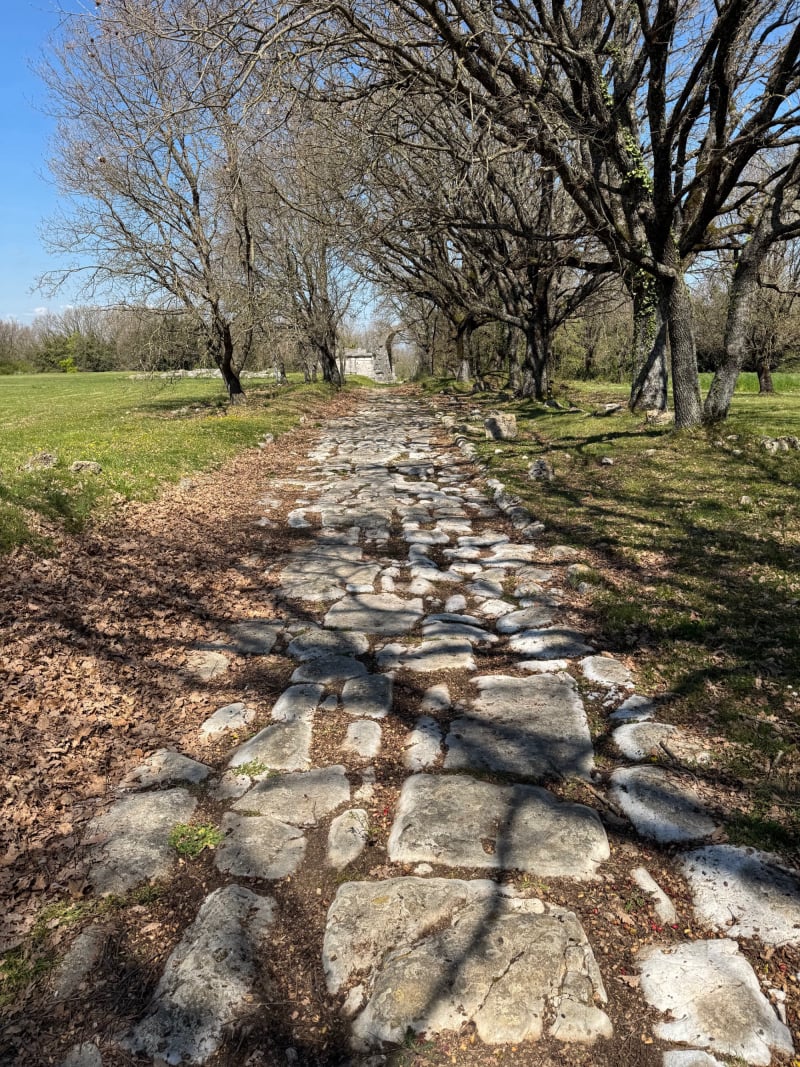
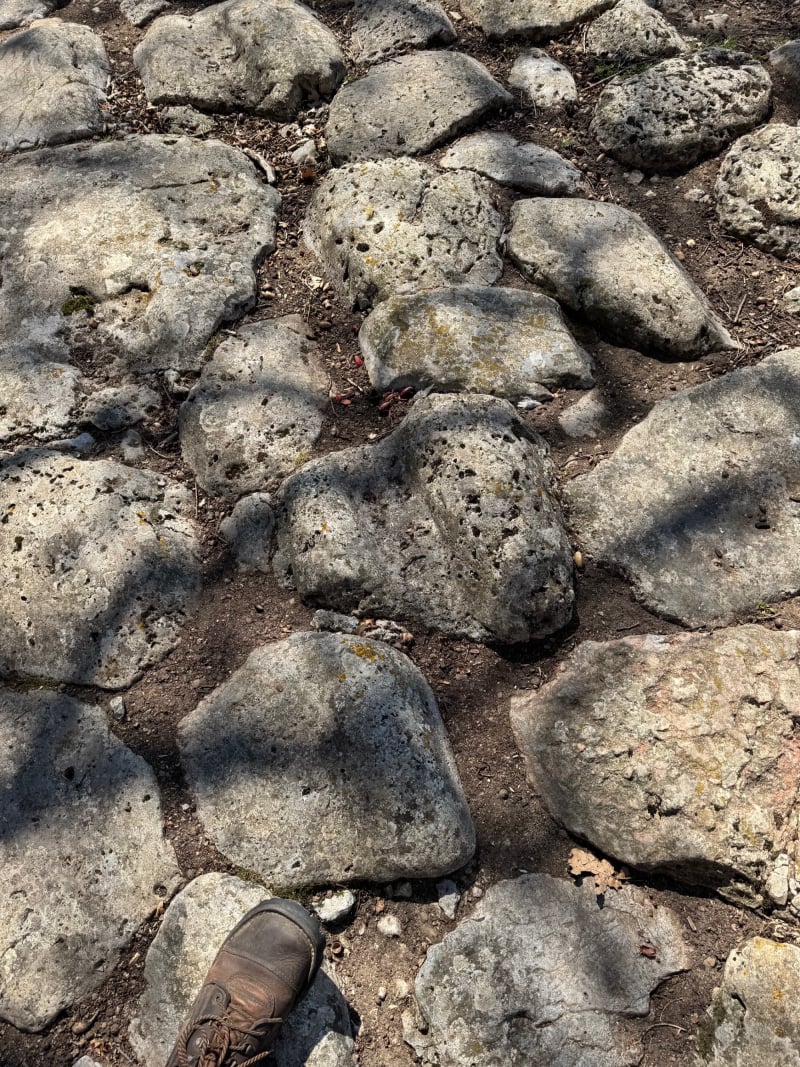
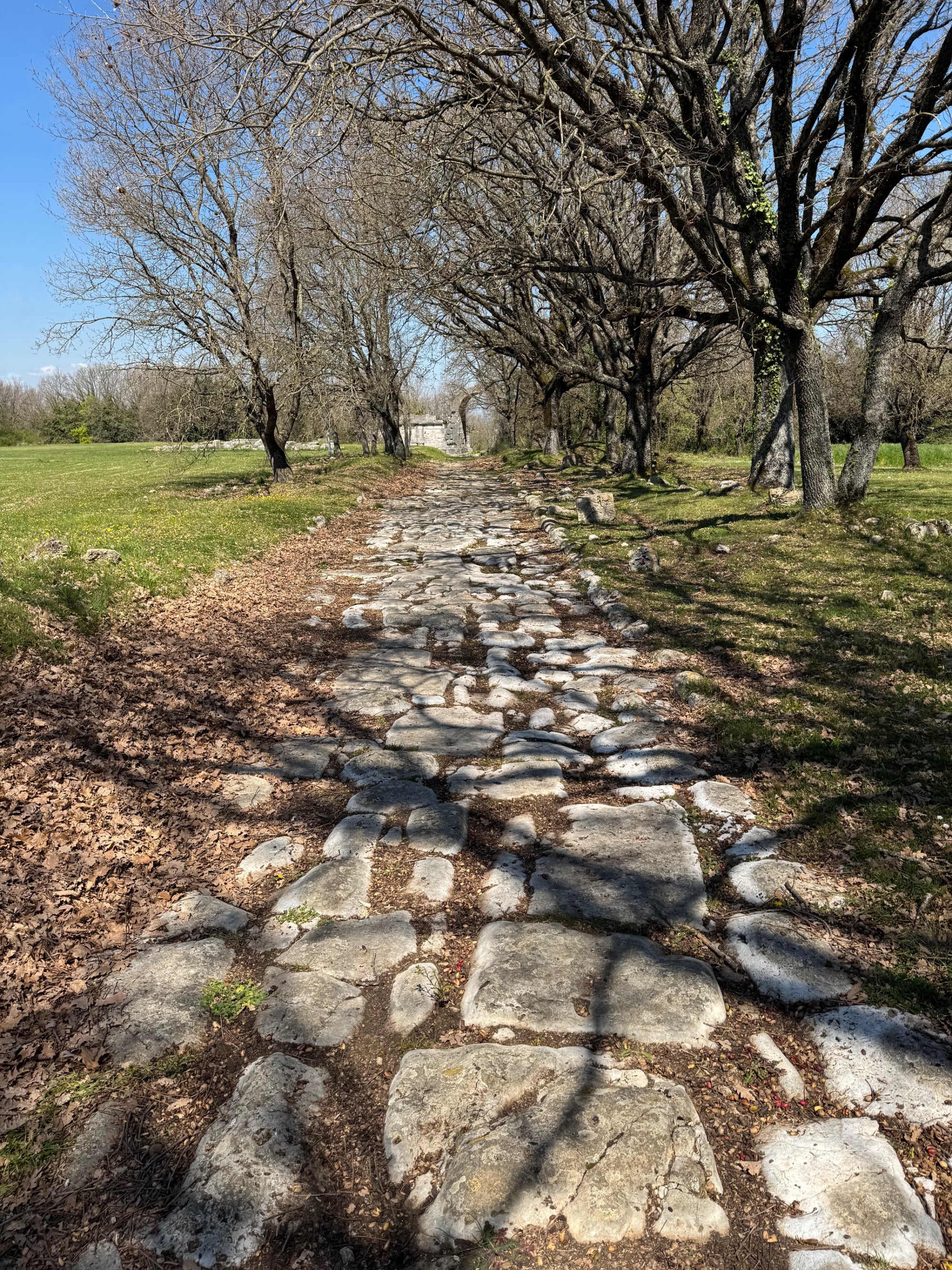
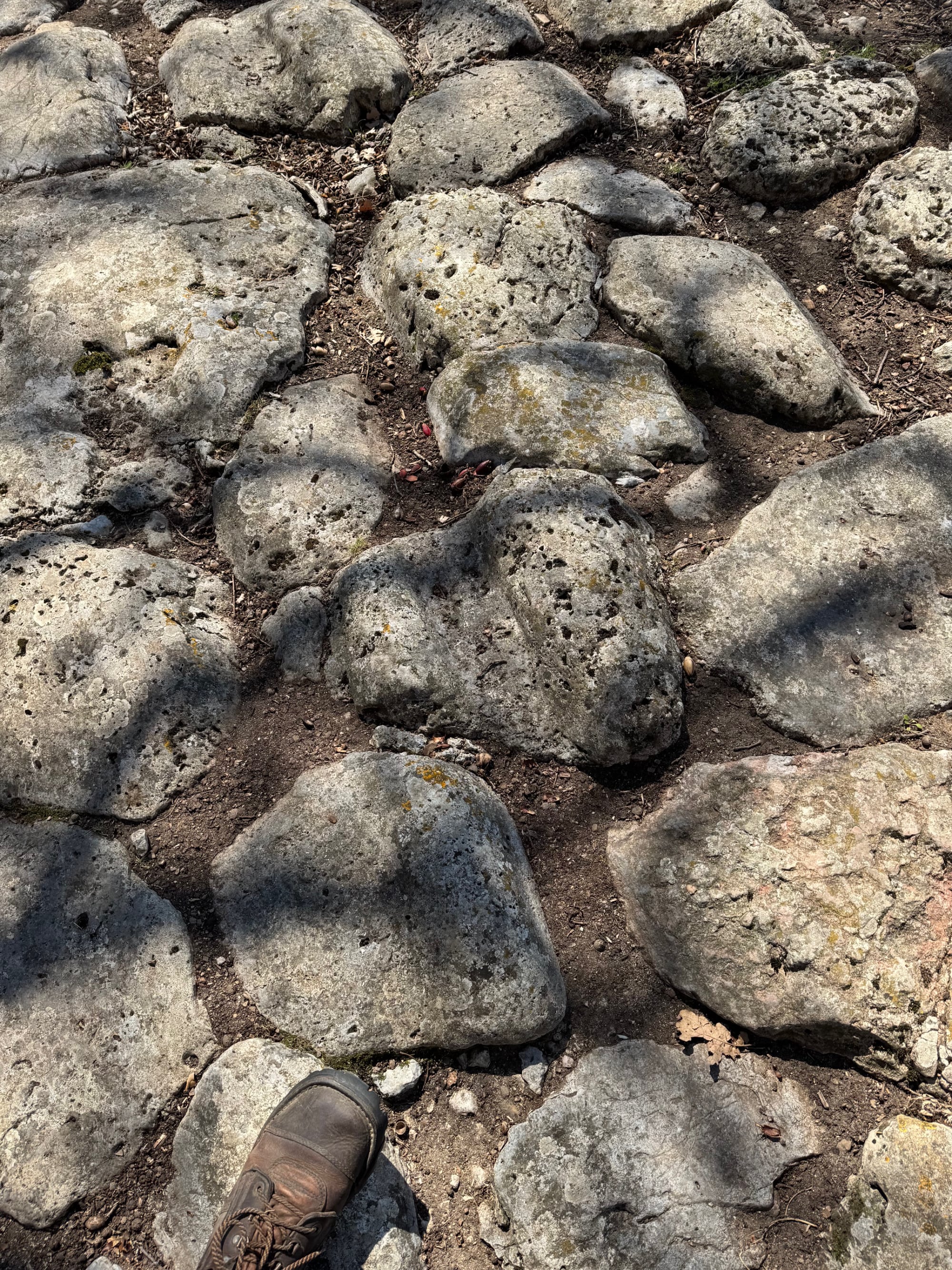
Roman roads are famed for their durability, and Via Flaminia was no exception. Constructed with layers of gravel and large paving stones, and with milestones to measure distances, the road was an engineering marvel of its time. Its total length was approximately 220 kilometers (about 137 miles).
The route began at the Campus Martius in Rome, crossed the Tiber River via the Ponte Milvio—a bridge that still stands today—and ran northeast through the Tiber Valley. It passed through Ocriculum (modern Otricoli), Narni, Spoleto, Foligno, Nocera Umbra, Gualdo Tadino, and Fossato di Vico, before reaching the Flaminian Tunnel at Furlo Pass (Gola del Furlo). After crossing the Apennines, it continued through Cagli, Fano, and Pesaro, before ending at Ariminum.
The road was later refurbished and improved by emperors such as Augustus, who had a special interest in the route, given its connection to his home region. He also commissioned the Arch of Augustus in Rimini, marking the end of the Flaminia and symbolizing the unification of Italy under Roman rule.
What Remains Today
Although much of the original Via Flaminia has disappeared or been incorporated into modern roads, several impressive sections and monuments remain, offering a tangible link to the Roman past. Travelers interested in Roman history can follow parts of the ancient route and explore key sites along the way.
1. Rome and Ponte Milvio
In Rome, the Ponte Milvio is one of the most recognizable remnants of the Via Flaminia. Originally built in 109 BCE and reconstructed several times, it became famous for the Battle of the Milvian Bridge in 312 CE, when Constantine defeated Maxentius and converted to Christianity. Today, it is a pedestrian bridge and a popular gathering spot, especially for couples who attach padlocks as symbols of their love.
Nearby, the Porta del Popolo marks the Flaminia’s ancient entrance to Rome. The current structure was designed by Gian Lorenzo Bernini in the 17th century, but it stands on the original gate that greeted travelers from the north.
2. Ocriculum (Otricoli)
Just over 70 kilometers north of Rome, Otricoli preserves the ruins of Ocriculum, a Roman settlement that prospered due to its position along the Flaminia. Visitors can explore thermal baths, an amphitheater, and mosaics within the archaeological park. The site also includes part of the ancient road, giving a real sense of how Romans traveled.
3. Narni and Ponte di Augusto
Further along, Narni boasts one of the most spectacular Roman engineering feats: the Ponte di Augusto, a massive bridge built under Emperor Augustus. Only one arch of the original four remains, but it gives an idea of the scale and ambition of Roman infrastructure. Narni also sits near the geographic center of Italy, and its medieval old town complements the ancient heritage.
4. Ancient city of Carsulae
Cutting right through the remains of the city of Carsulae you can still see the wagon track carved into the rough stones that still paves the road.
5. Furlo Pass (Gola del Furlo)
Perhaps the most dramatic section of the Via Flaminia is the Furlo Gorge, where the Romans carved a tunnel through solid rock in the 1st century BCE. Known as the Galleria Romana, this tunnel was a masterpiece of engineering and allowed safe passage through the narrow mountain gorge. It remained in use until modern road tunnels replaced it. The surrounding nature reserve offers stunning hikes and views.
6. Fano and Rimini
On the Adriatic coast, Fano and Rimini were key endpoints of the Flaminia. Fano features the Arch of Augustus, still standing in its original location. Rimini’s Arch of Augustus, larger and more elaborate, marked the road’s terminus and was the gateway to the eastern provinces. Rimini also has a well-preserved Roman amphitheater and the Tiberius Bridge, a remarkable example of Roman construction still in use today.
The Modern Legacy
Parts of the Via Flaminia still serve as modern highways, such as SS3 “Via Flaminia”, which follows much of the ancient route. Today, the road is not only a functional thoroughfare but a cultural itinerary. Travelers retracing the Flaminia can experience a cross-section of Italian history—from Roman ruins to medieval hill towns to Renaissance art.
The Via Flaminia also forms part of several pilgrimage routes, including the Cammino di San Francesco, connecting places associated with Saint Francis of Assisi. In this way, the ancient road continues to serve not just physical movement but spiritual and cultural journeys.
Conclusion
The Via Flaminia was more than just a Roman road—it was a symbol of connectivity, innovation, and imperial power. Its route stitched together diverse regions of Italy and enabled the growth of Rome’s influence. Even two millennia later, it offers travelers a unique journey through time, landscapes, and civilizations. Whether walking, cycling, or driving along its remnants, one can still sense the echoes of chariots, the march of legions, and the bustling life of a road that helped shape history.
Thi text above was generated by ChatGPT.