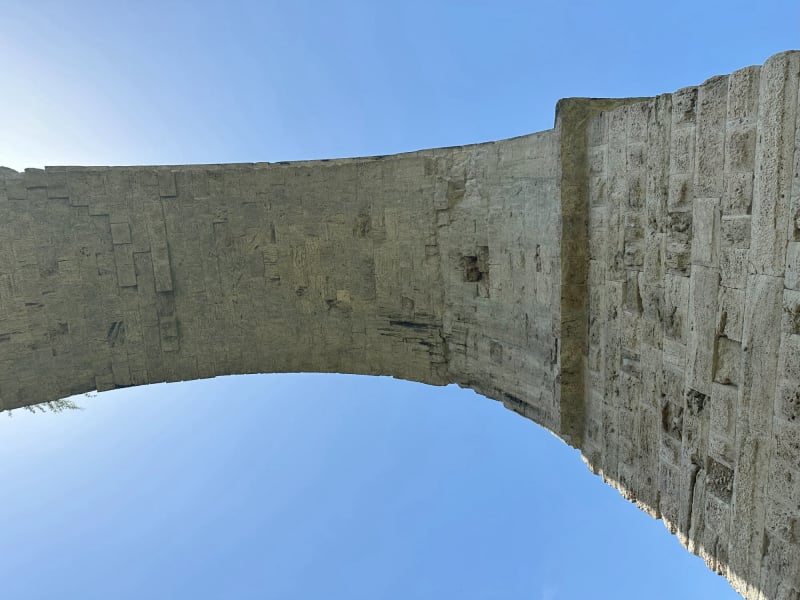
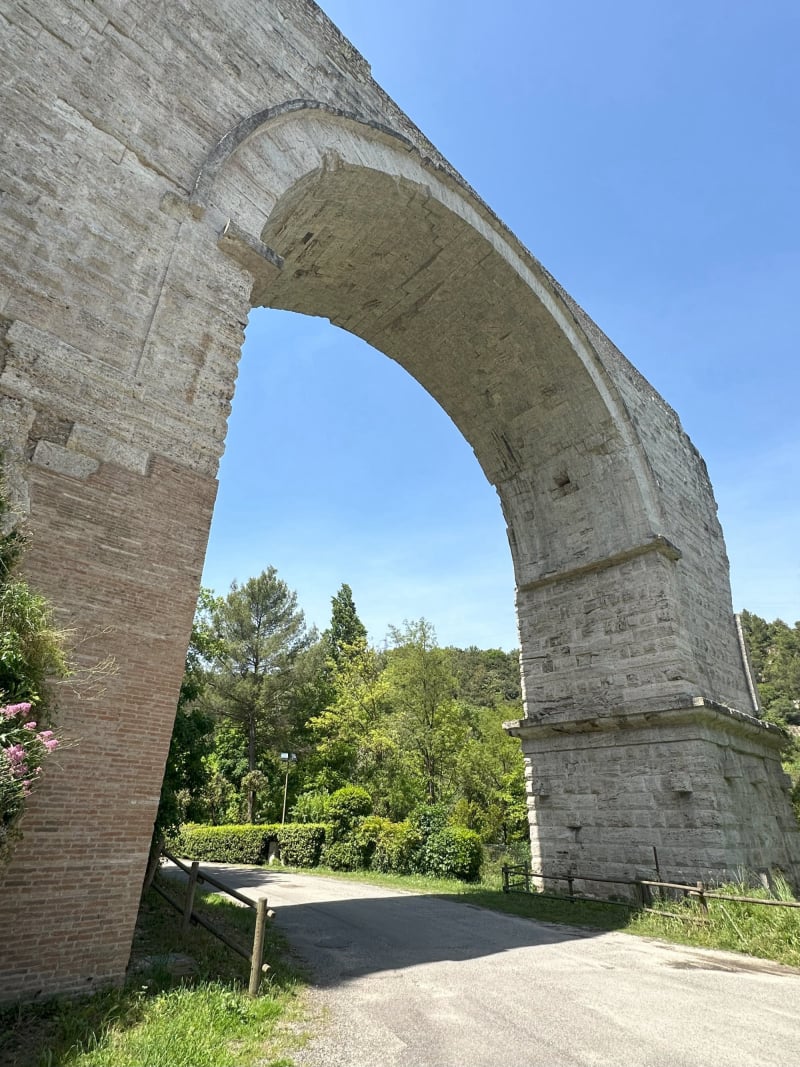
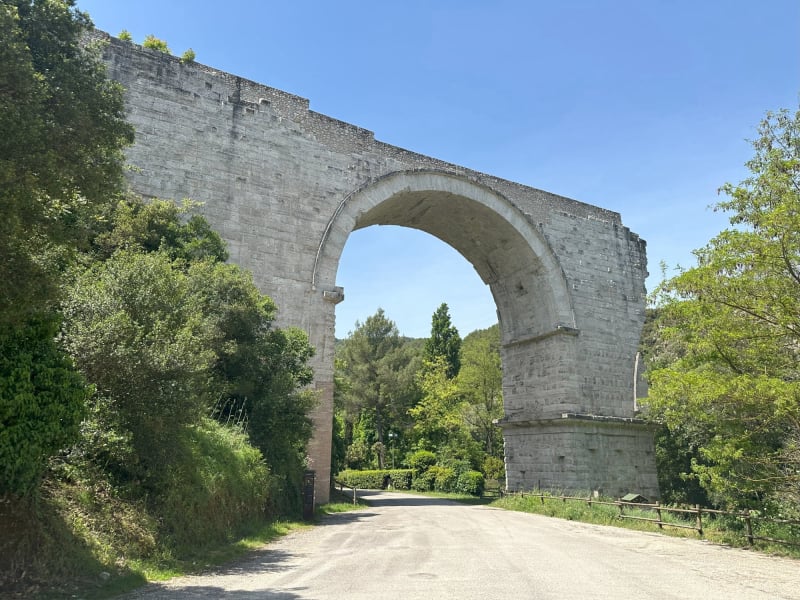
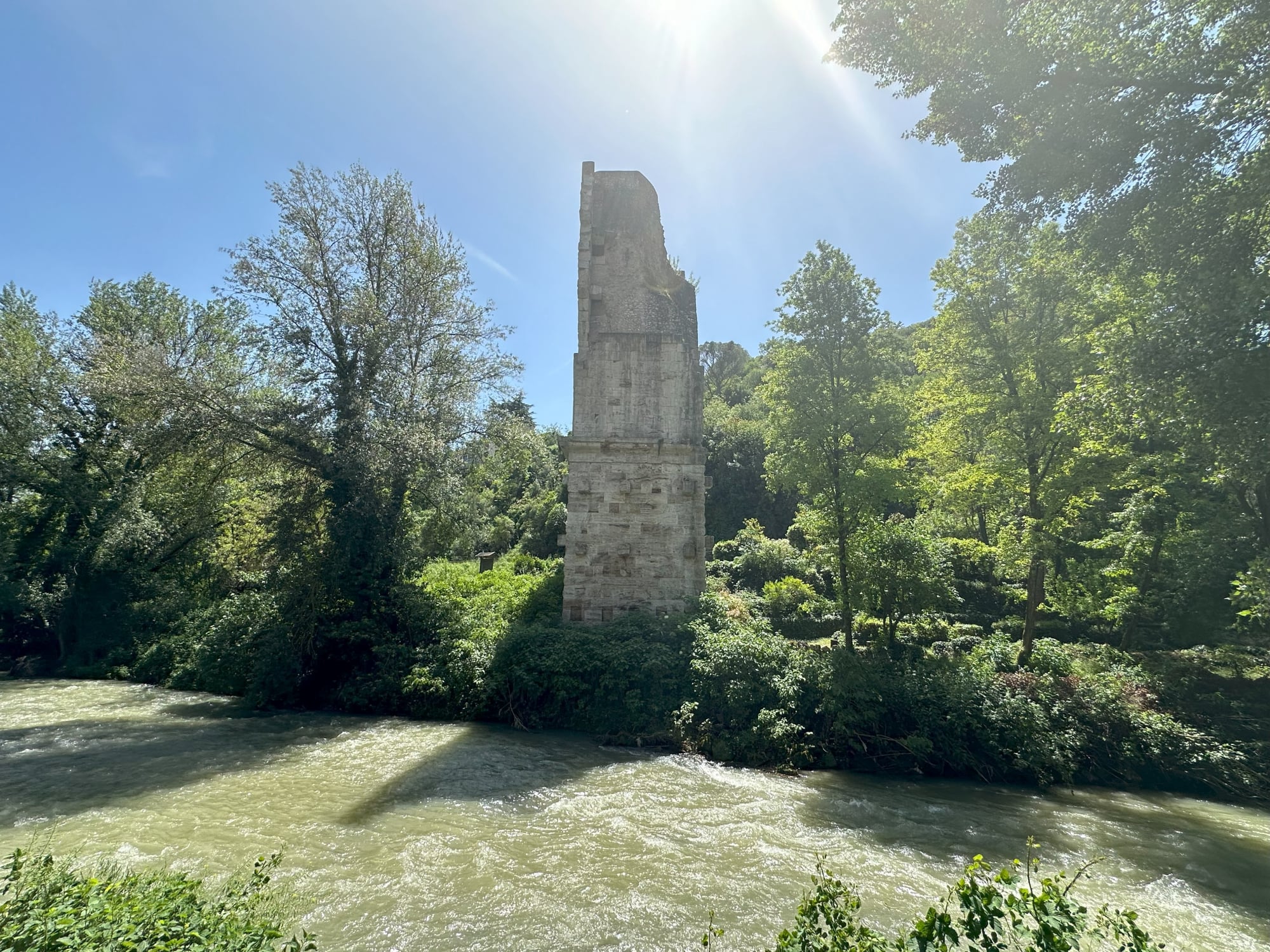
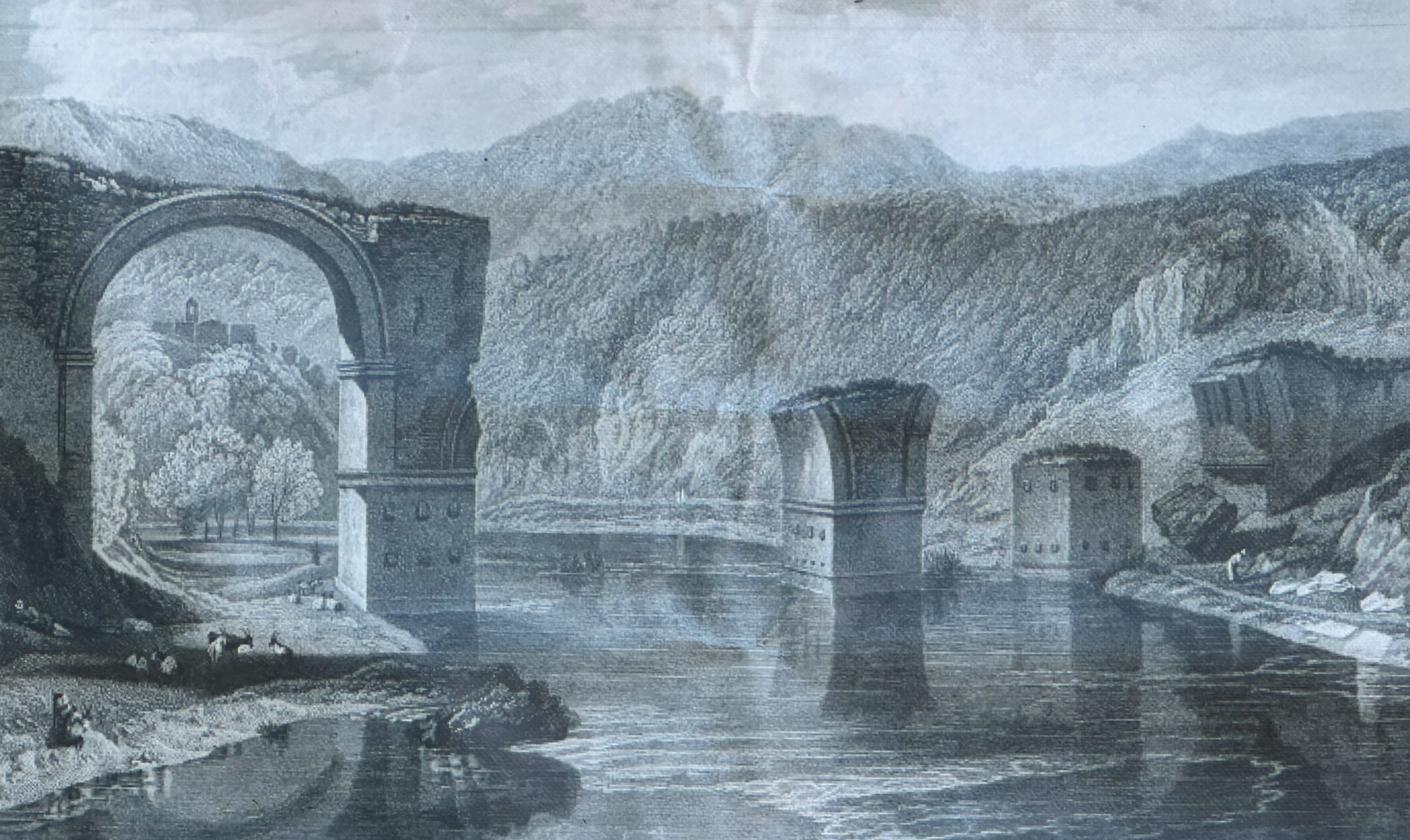
The Augustus Bridge, known in Italian as Ponte di Augusto, is an ancient Roman structure located near the town of Narni in the region of Umbria, central Italy. Although today the bridge stands in ruins, it remains one of the most impressive examples of Roman engineering in the region and serves as a symbol of Roman presence in central Italy. Named after the first Roman Emperor, Augustus, the bridge once played a vital role in connecting the Roman Empire through its road networks and reflects the lasting influence of Roman architecture, infrastructure, and ambition.
Website
You can find pictures and directions at the bottom of this page.
Address
Via tre ponti
05035 Narni (TR)
Opening hours
The bridge can be visited your round and there is no fees.
The Augustus Bridge was built in the late 1st century BCE during the reign of Emperor Augustus (27 BCE – 14 CE), a period of significant expansion and consolidation of Roman infrastructure. This was a time when the Roman Empire was investing heavily in the construction of roads, aqueducts, and bridges to ensure efficient communication, military movement, and trade across its vast territories.
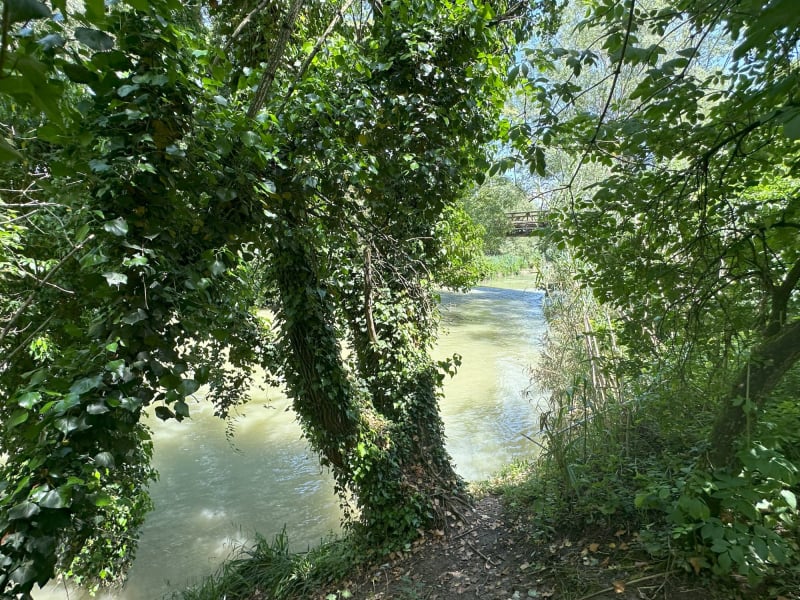
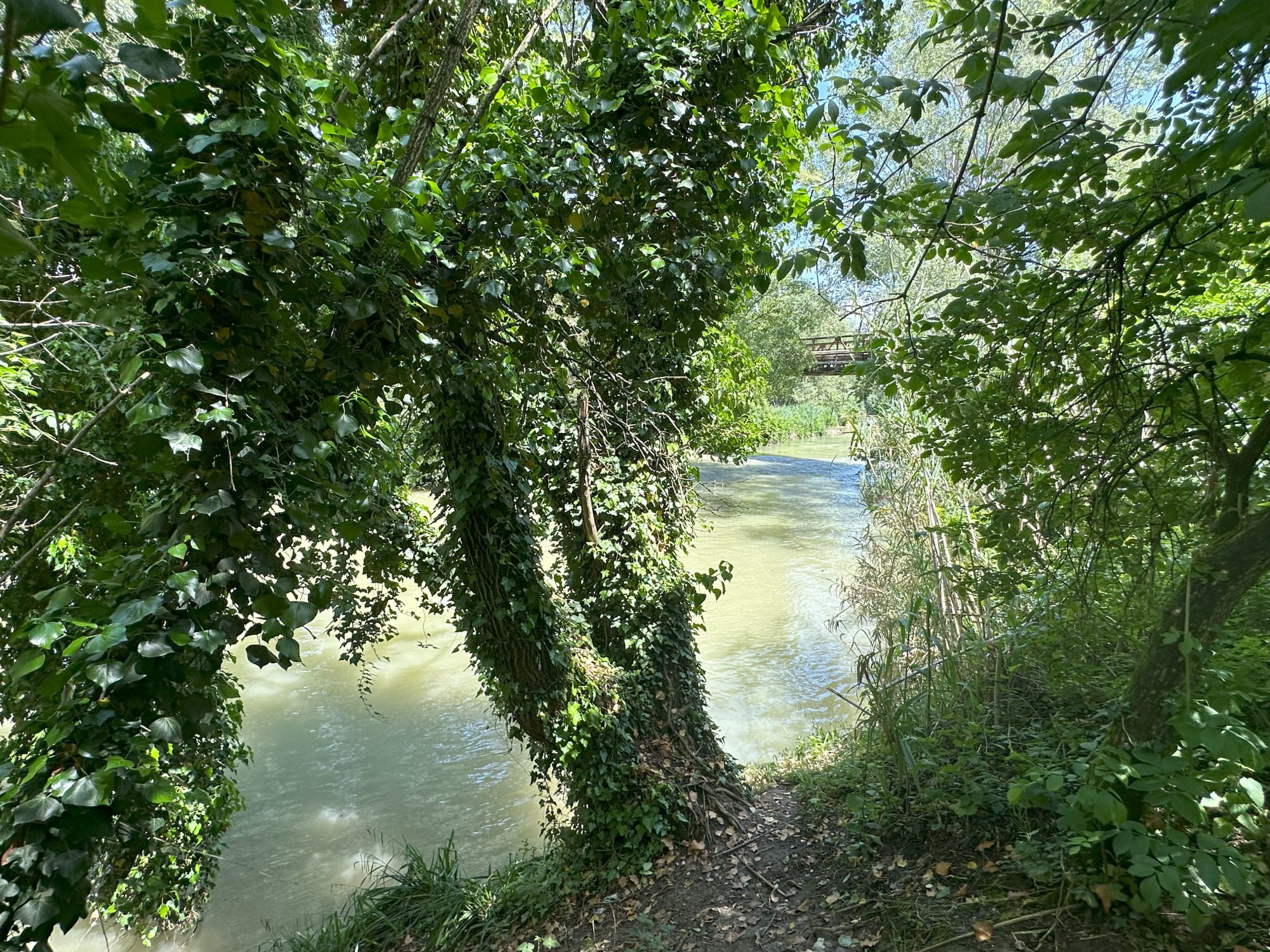
Located near Narni—known in Roman times as Narnia—the bridge spanned the Nera River (Latin: Nar), a tributary of the Tiber. Narnia was a key stop along the ancient Via Flaminia, one of the most important Roman roads that connected Rome to the Adriatic coast and northern provinces. The bridge was therefore a crucial element in this transportation network, facilitating the movement of troops, merchants, and information.
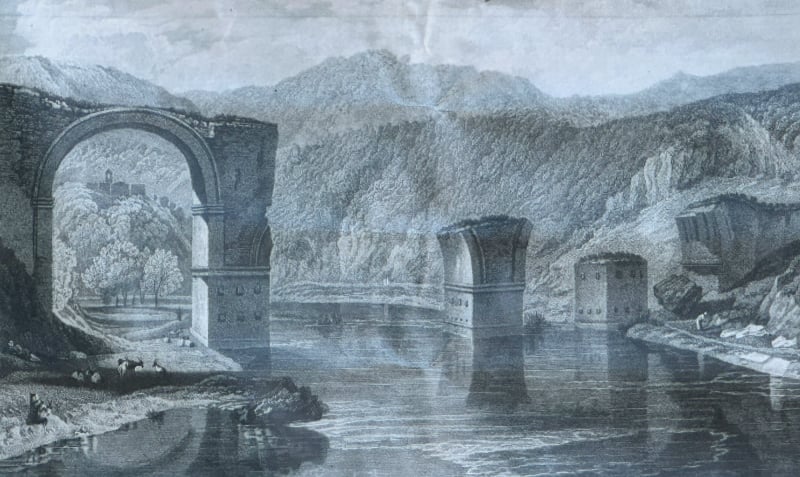
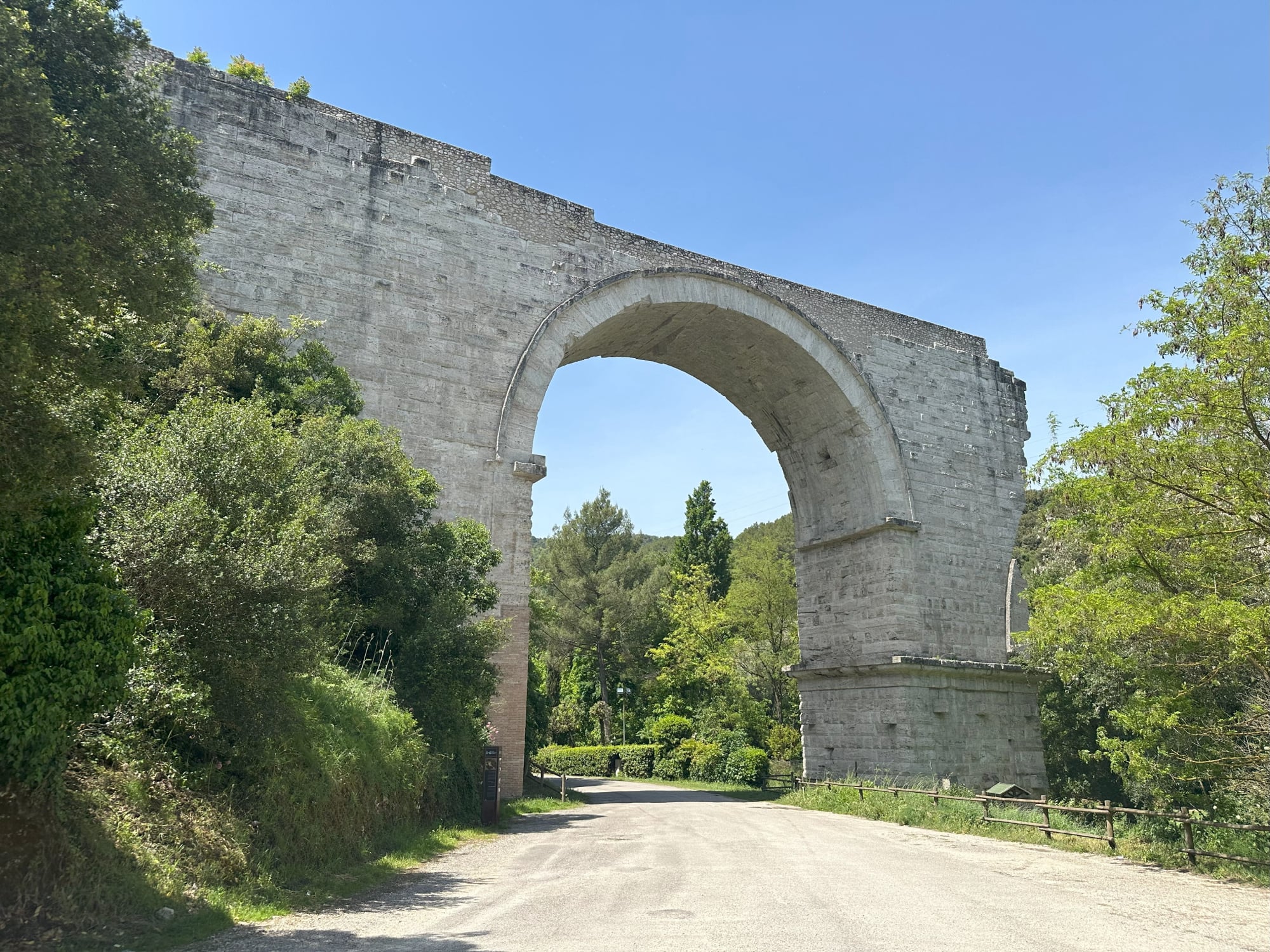
The bridge originally featured four massive stone arches and was constructed using local limestone and Roman concrete (opus caementicium). At the time of its completion, it was one of the tallest bridges in the Roman world, with an estimated height of about 30 meters (nearly 100 feet) and a length of approximately 160 meters (525 feet). Its monumental scale and durability exemplified Roman engineering expertise and imperial grandeur.
Engineering and Design
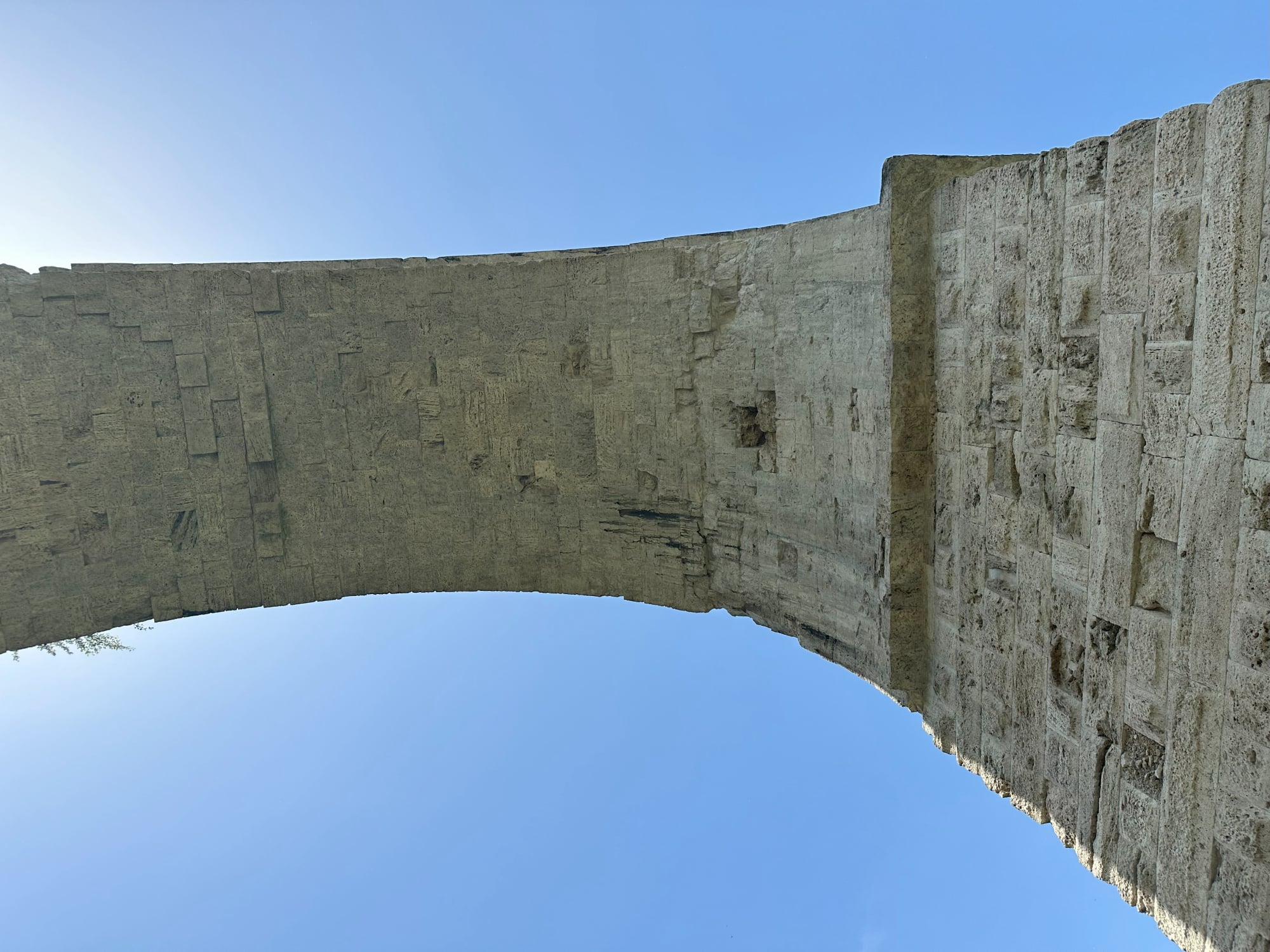
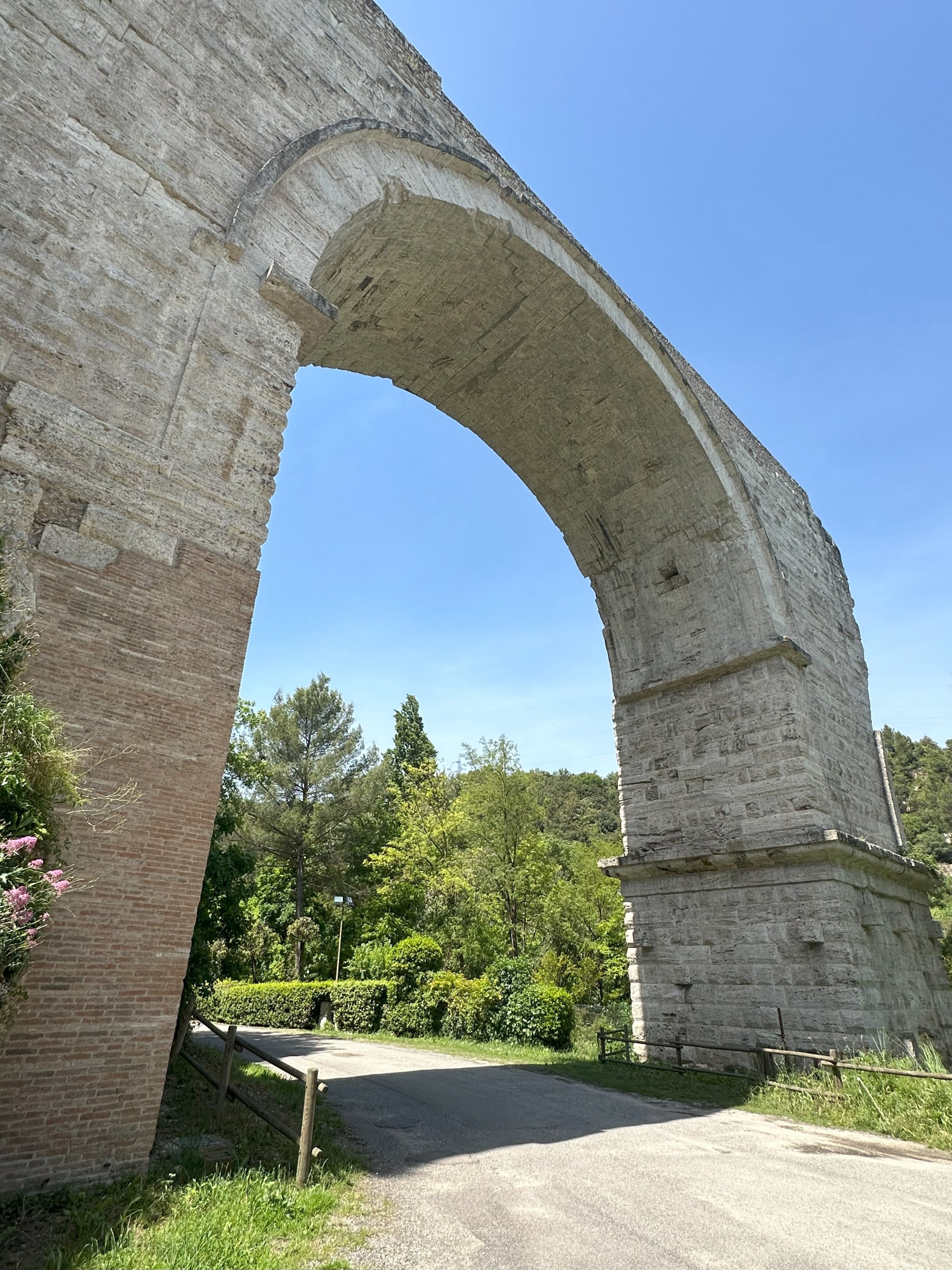
The design of the Augustus Bridge showcases the Romans’ mastery of arch construction, weight distribution, and the use of durable materials. The arches allowed the bridge to span wide distances while supporting heavy loads. Roman engineers understood the importance of foundations, and the bridge’s piers were carefully set into the bedrock of the Nera River to resist erosion and flooding.
Despite the technological limitations of the ancient world, the bridge was built with remarkable precision and longevity. It is believed that the Romans used wooden scaffolding and cranes powered by treadwheels to maneuver and place the heavy stones. The exact geometry and masonry techniques contributed to the structure’s ability to withstand centuries of wear and natural forces.
Decline and Ruin
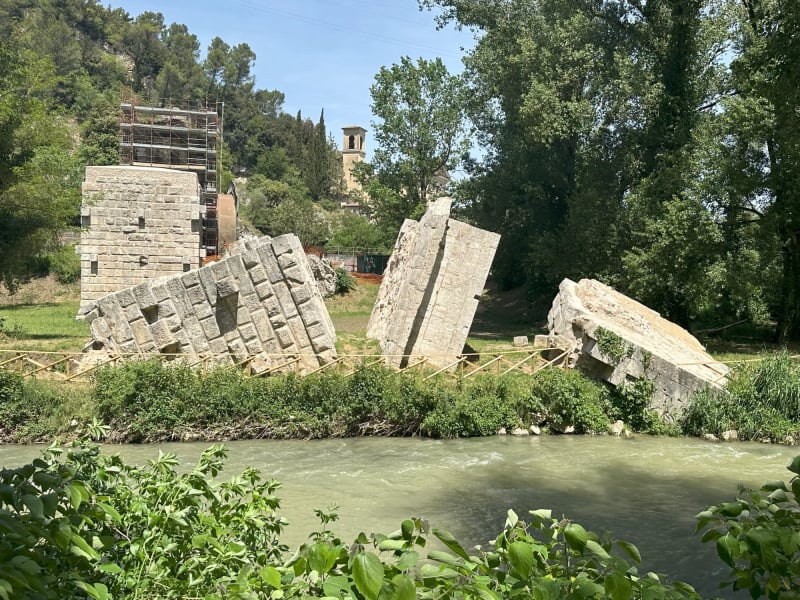
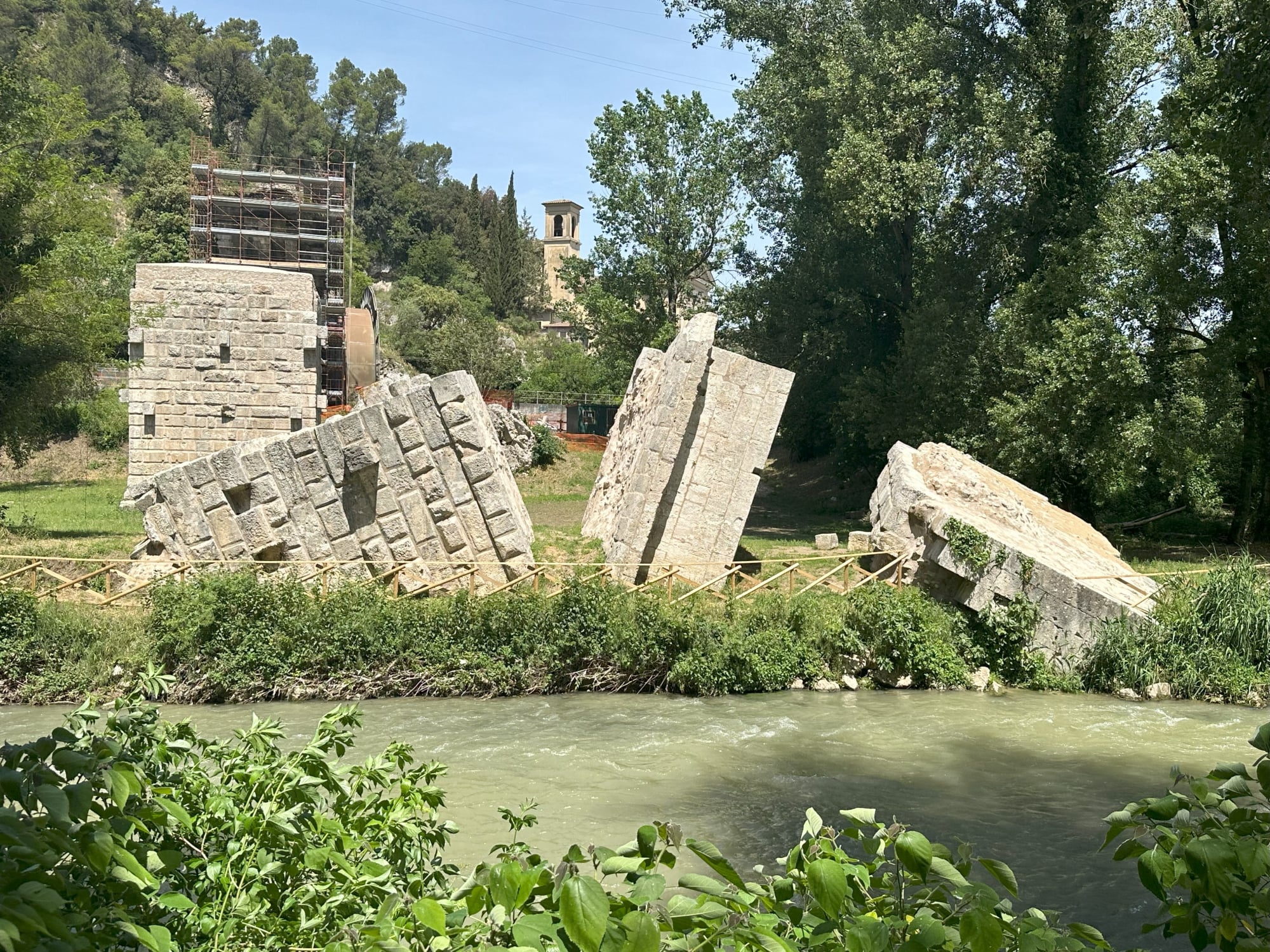
Over time, natural disasters and neglect took their toll on the Augustus Bridge. Several factors contributed to its gradual collapse, including earthquakes, floods, and a decline in maintenance following the fall of the Roman Empire. By the Middle Ages, the bridge was no longer in use, and its stones may have been quarried for other construction projects.
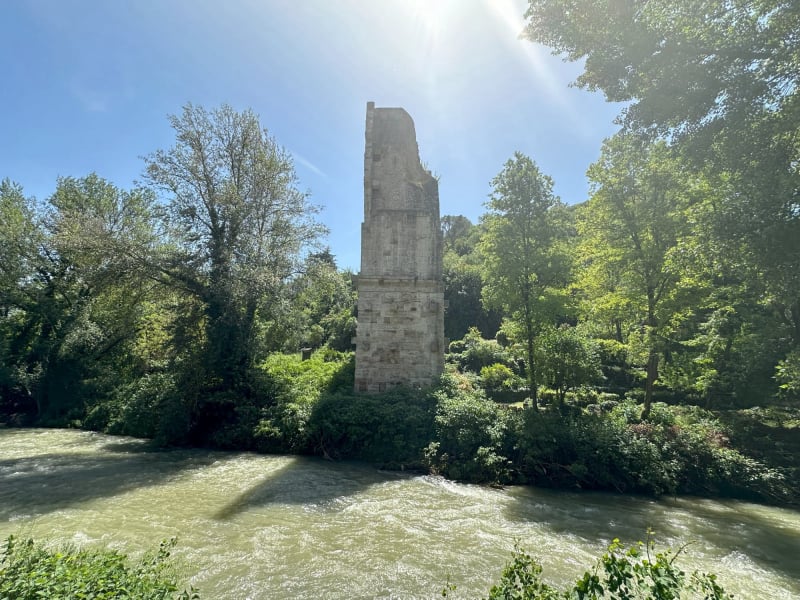
Today, only one of the original four arches still stands, yet it is an awe-inspiring sight. The surviving arch—soaring above the river valley—is a powerful reminder of Roman ingenuity. The surrounding ruins have been partially excavated and stabilized, and they are protected as part of Italy’s archaeological heritage.
Cultural and Symbolic Importance
The Augustus Bridge is not only a relic of Roman infrastructure but also a symbol of the cultural and political legacy of Augustus himself. As the first emperor of Rome, Augustus sought to unite the empire through both military and civic means. He famously boasted, “I found Rome a city of bricks and left it a city of marble.” Bridges like the one at Narni were physical embodiments of this transformation—grand, lasting structures that projected the power and permanence of the Roman state.
In literature and art, the ruins of the bridge have also inspired Romantic painters, poets, and travelers since the 18th and 19th centuries. Its dramatic setting in the Umbrian landscape and the contrast between its ruined grandeur and the natural beauty around it have made it a favorite subject of European artists, especially those on the Grand Tour.
The bridge also plays a role in local identity and memory. For the residents of Narni, it connects the modern town with its ancient past, reminding them of the region’s strategic and historical importance. It serves as a point of pride and a draw for visitors interested in archaeology, history, and architecture.
Modern Significance and Preservation
In recent decades, the Augustus Bridge has become an important site for archaeological study and historical tourism. While only partially preserved, the surviving arch and surrounding ruins offer valuable insight into Roman bridge construction and regional history.
Efforts have been made to document and preserve the remaining structure. Archaeologists and engineers have studied the materials and techniques used in its construction, and modern technologies such as 3D scanning and digital modeling have helped to reconstruct the bridge virtually for educational and research purposes.
The bridge also plays a role in heritage tourism in Umbria. Visitors to Narni can explore the bridge, the nearby Roman aqueduct, and other ancient remains that underscore the town’s rich history. Interpretive signage and guided tours help contextualize the bridge’s importance, and its majestic ruins continue to inspire admiration and curiosity.
Conclusion
The Augustus Bridge in Umbria is more than a ruined Roman structure—it is a lasting symbol of ancient innovation, imperial ambition, and cultural memory. Though time and nature have taken their toll, the bridge’s surviving arch continues to stand tall, a testament to the enduring legacy of Roman engineering. Through its construction, the Roman Empire connected its far-flung territories; through its survival, the bridge connects us to the past, inviting reflection on how civilizations shape and are shaped by their infrastructure. In the rolling hills of Umbria, the Augustus Bridge remains a silent but powerful witness to the greatness of Rome.
Location of Augustus Bridge.